Recreational research into Feudal Japan
Of Pale Yellows and Blues
Aug 15th (a Senshō (先勝))
I was recently looking at Ohatamoto Sōshirushizu when I noticed something interesting. The colors are helpfully labeled, which is useful to determine what distinctions between colors were being drawn and if any ink colors have changed over time. For example, yellow (黄, “ki”) is here distinguished from gold (金, “kin”), unlike in European heraldry.
But then I noticed that a somewhat-ambiguous light blue color is labeled 浅黄 (“asagi”), using that same kanji for yellow. My dictionary defines that as “light yellow”, with the first kanji meaning something like “shallow”. I thought this was fascinating: not only had the ink changed color over the centuries, but also apparently “yellow” and “light yellow” were sufficiently distinguishable in Japanese heraldry to distinguish different ranks: here ki is for the first rank and asagi for the third.

Ki
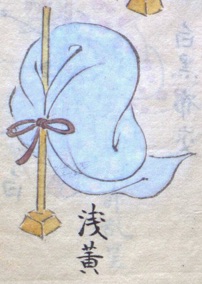
Asagi
I found the idea of “yellow” and “light yellow” being distinguishable from a distance a bit improbable, but who am I to judge? I talked this up to various people, including at my Japanese Heraldry Pennsic class. But then, I was looking at another source, Shoshōkiseizu,* for unrelated reasons, and I noticed that some things there were labeled, phonetically in katakana, “asagi” as well. But I’d never thought of them as light yellow, because in O-umajirushi they’re shown as a light blue, and because there’s another word 浅葱, also pronounced “asagi”, that means light blue. Were these also secretly light yellow, with ink that changed over time? Or was something else up? It seemed improbable that they’d be labeled “asagi” if that was an ambiguous color at the time.
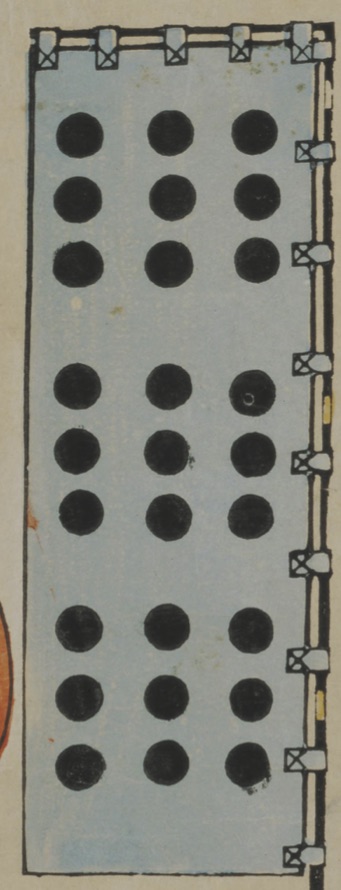
a light blue background
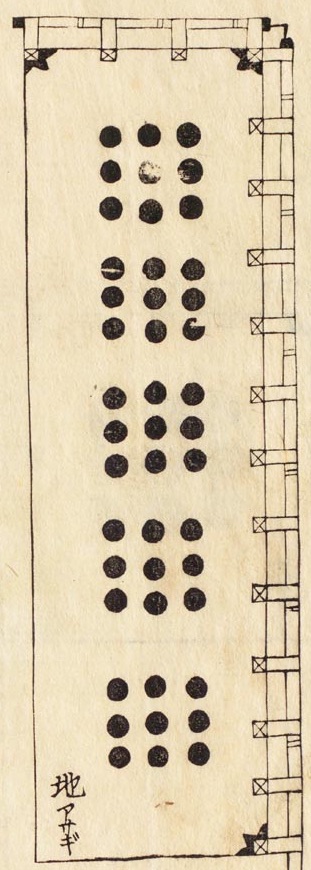
ground “asagi”
One thing I conveniently had available is my scans from the Library of Congress copy of O-umajirushi, which I can cross-reference with my color copy. And it turns out there that there are two devices that appear the same color, one of them labeled in katakana “asagi” and one labeled “awo”, blue.** So, clearly these were not meant to be yellow.
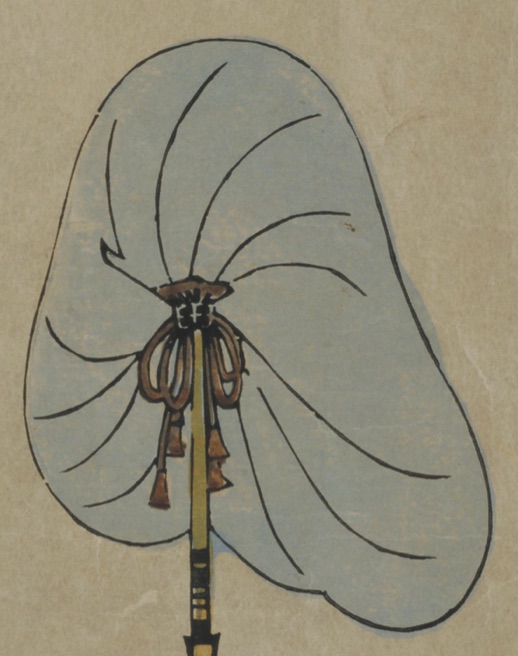
a light blue horo
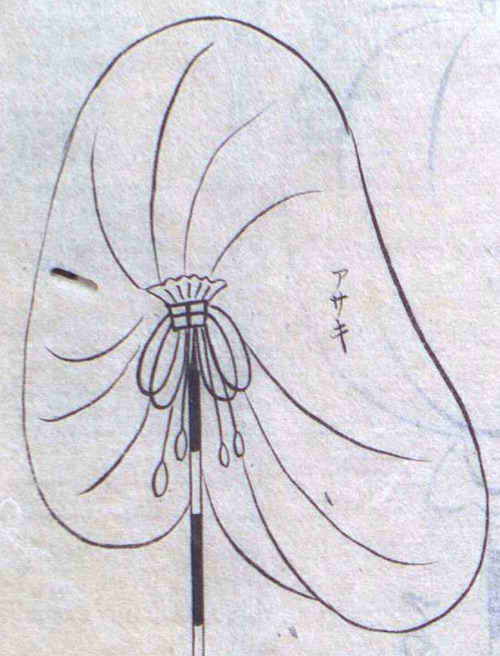
“asagi” (written without dakuten as “asaki”)
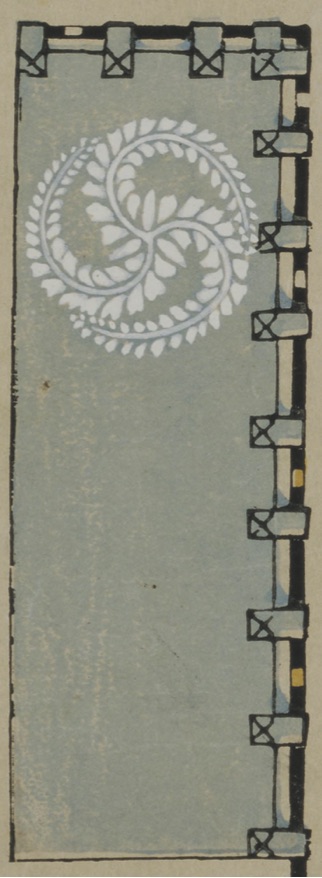
a light blue banner

ground “awo”, mon white
What of Ohatamoto Sōshirushizu, then? Well, upon further investigation into asagi written 浅黄, I found an explanation. See, Japanese has this concept called “ateji”, kanji used to write something phonetically. While in modern Japanese, foreign words and such are written with katakana with no corresponding kanji, in the past even loanwords from foreign languages would be given kanji, called ateji, based on pronunciation without much regard to the meaning of the kanji. For example, the word “America”, which today would be written in katakana as アメリカ, historically might be written 亜米利加. Those kanji mean something like “next”, “rice”, “advantage”, and “increase”, respectively, but they were chosen for their pronunciation without much regard for that meaning. And, similarly, “asagi” the light blue color can, apparently, be written with ateji “浅黄”, with the kanji meaning “yellow”. (See, e.g., WWWJDIC or Weblio.) Whoever thought that was a good idea, I have no idea. (Presumably the “light yellow” version was a later development due to this confusing state of affairs.)
Historical Japanese can be quite a puzzle; I’m definitely glad to have worked this one out. Plus, now I’m free of the specter of gold-on-light-yellow banners.
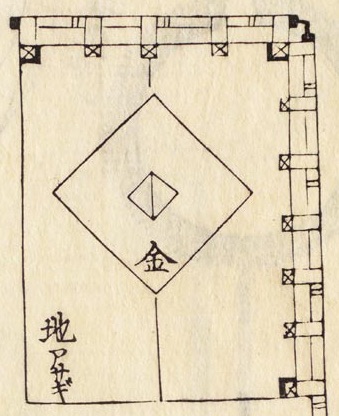
a gold mon on an “asagi” ground
*: a 1637 source available online that includes many of the same devices as O-umajirushi
**: or green
Comparing O-umajirushi (2/?)
Jul 4th (a Shakkō (赤口))
Continuing my comparison between the National Diet Library and Library of Congress copies of O-umajirushi.

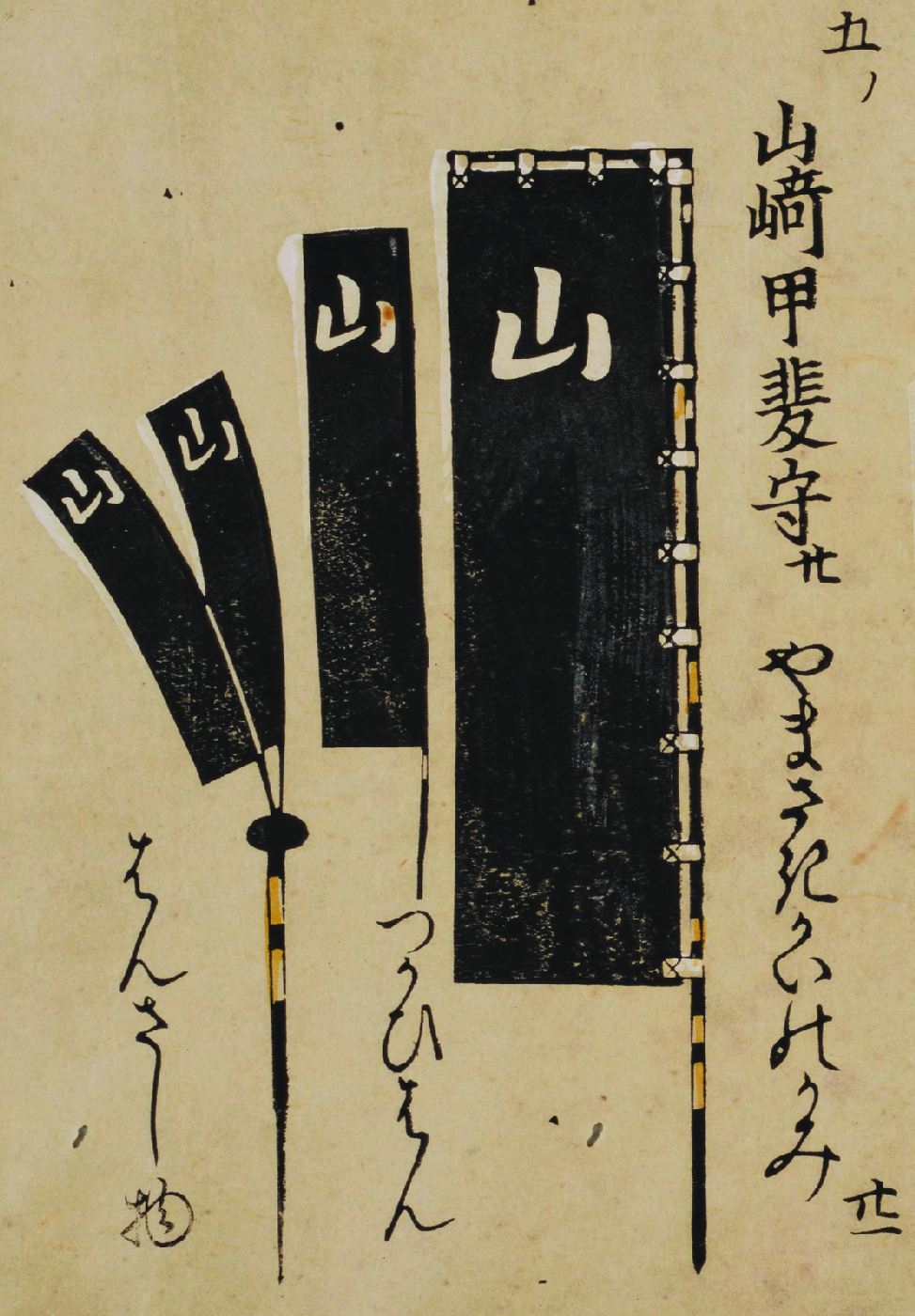
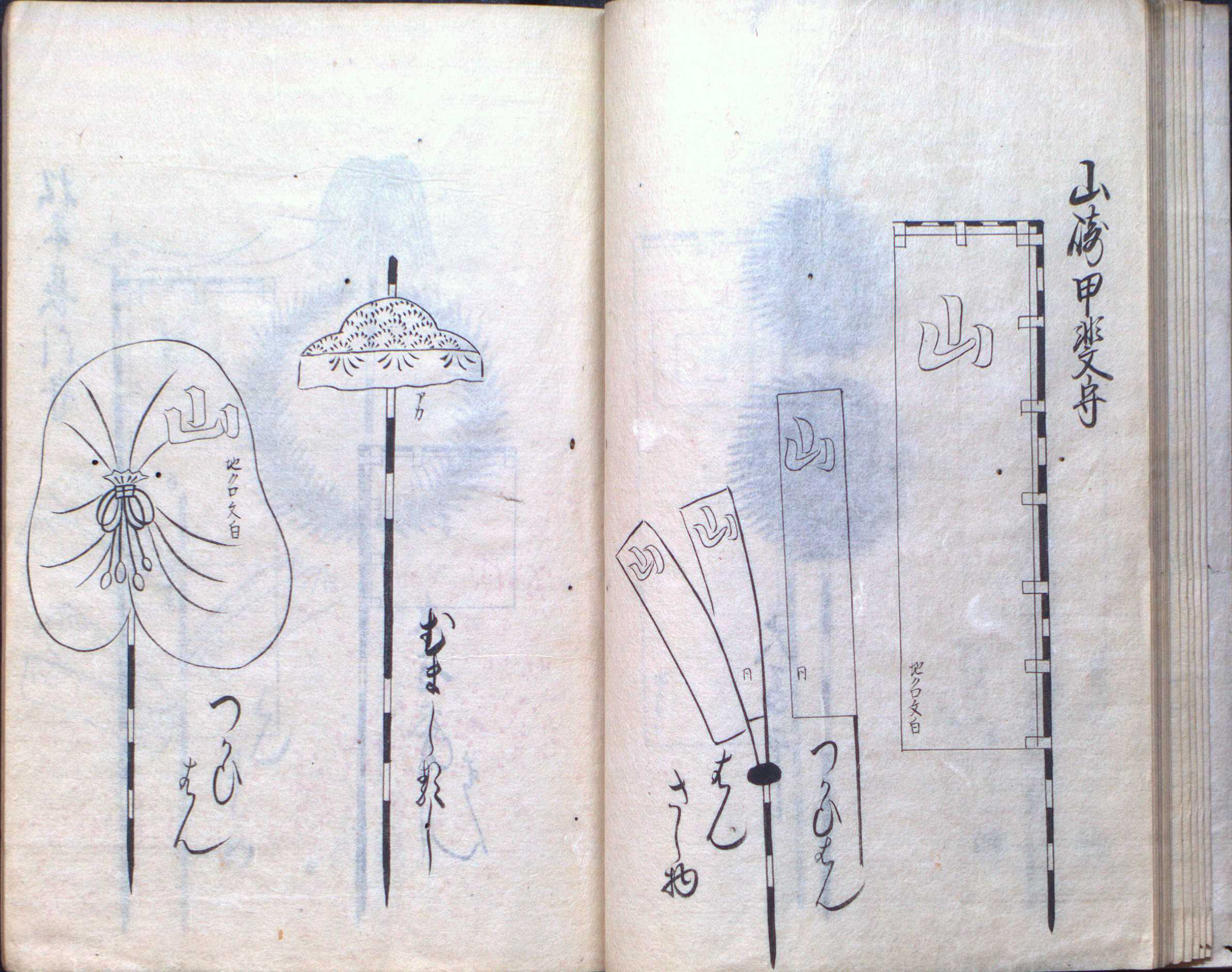
Here it’s interesting to note that both copies have have different styles of the character yama (山) on the horo from the banners, and that the styles match. Whether this shows significance of the style difference or is just a result of attention to detail when copying is hard to say, though given that it’s the same holder an important difference seems unlikely. The smaller yama banners are marked 同 (onaji, the same), indicating that they share the ground-black-mon-white coloration of the larger banner.
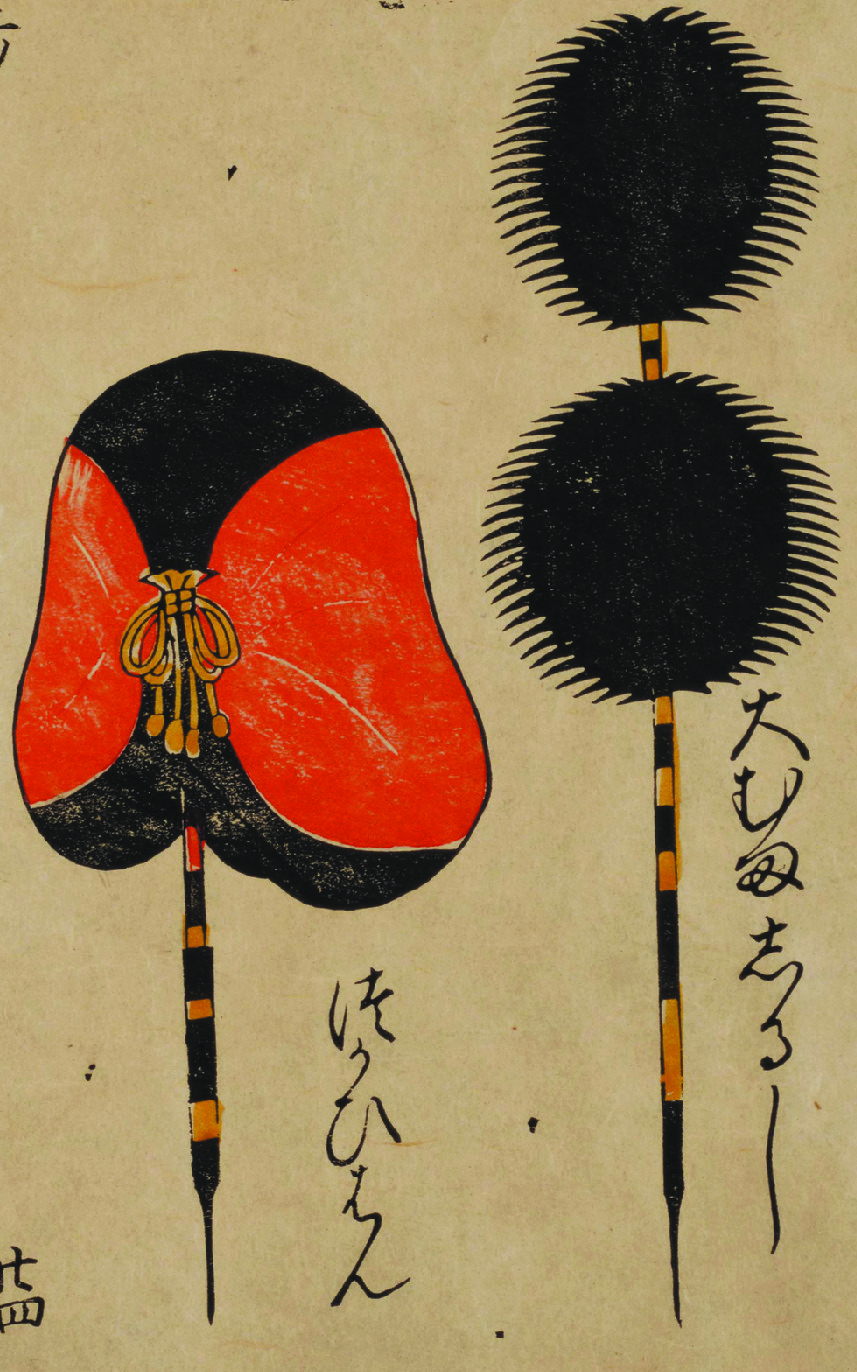
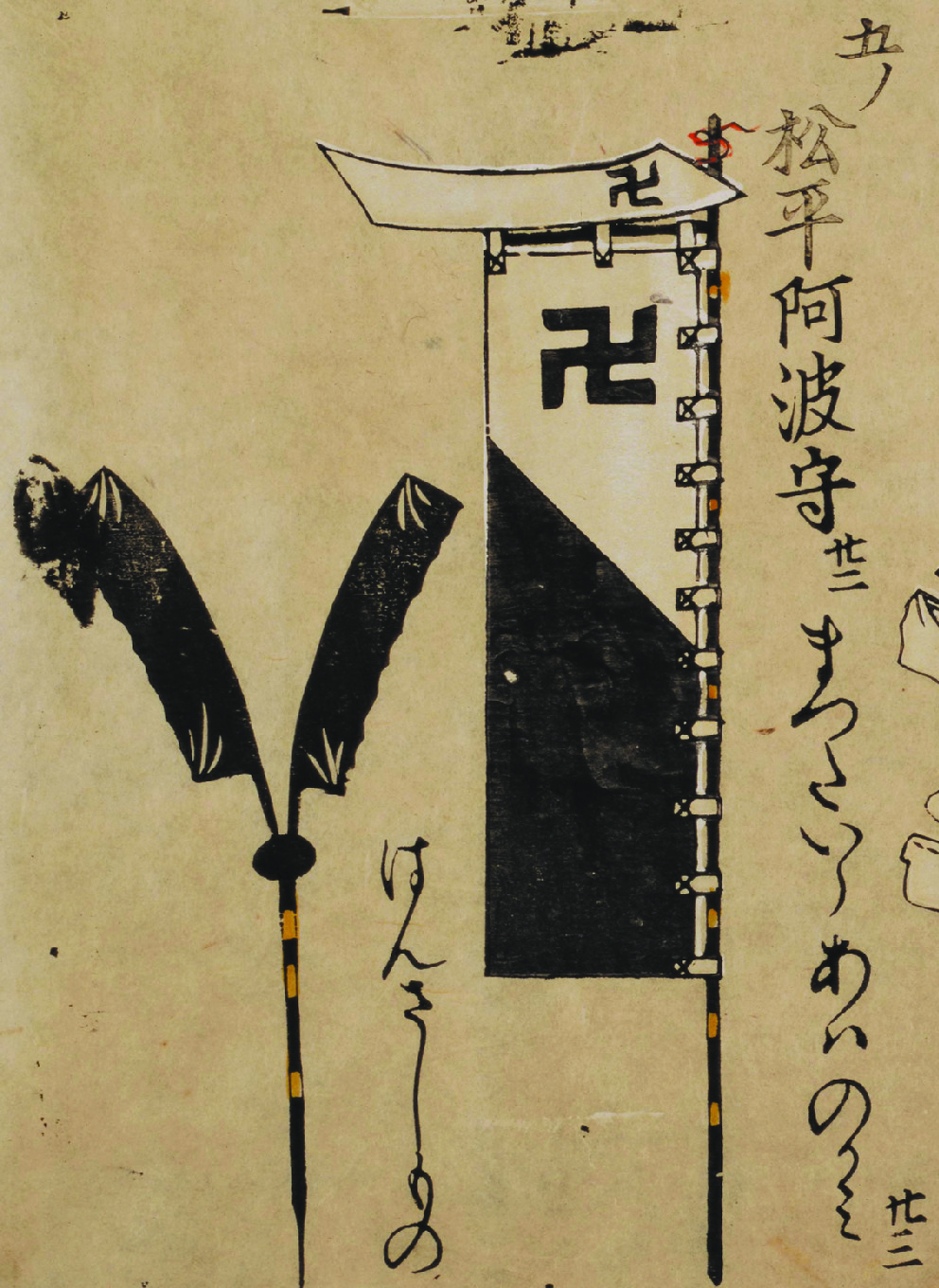
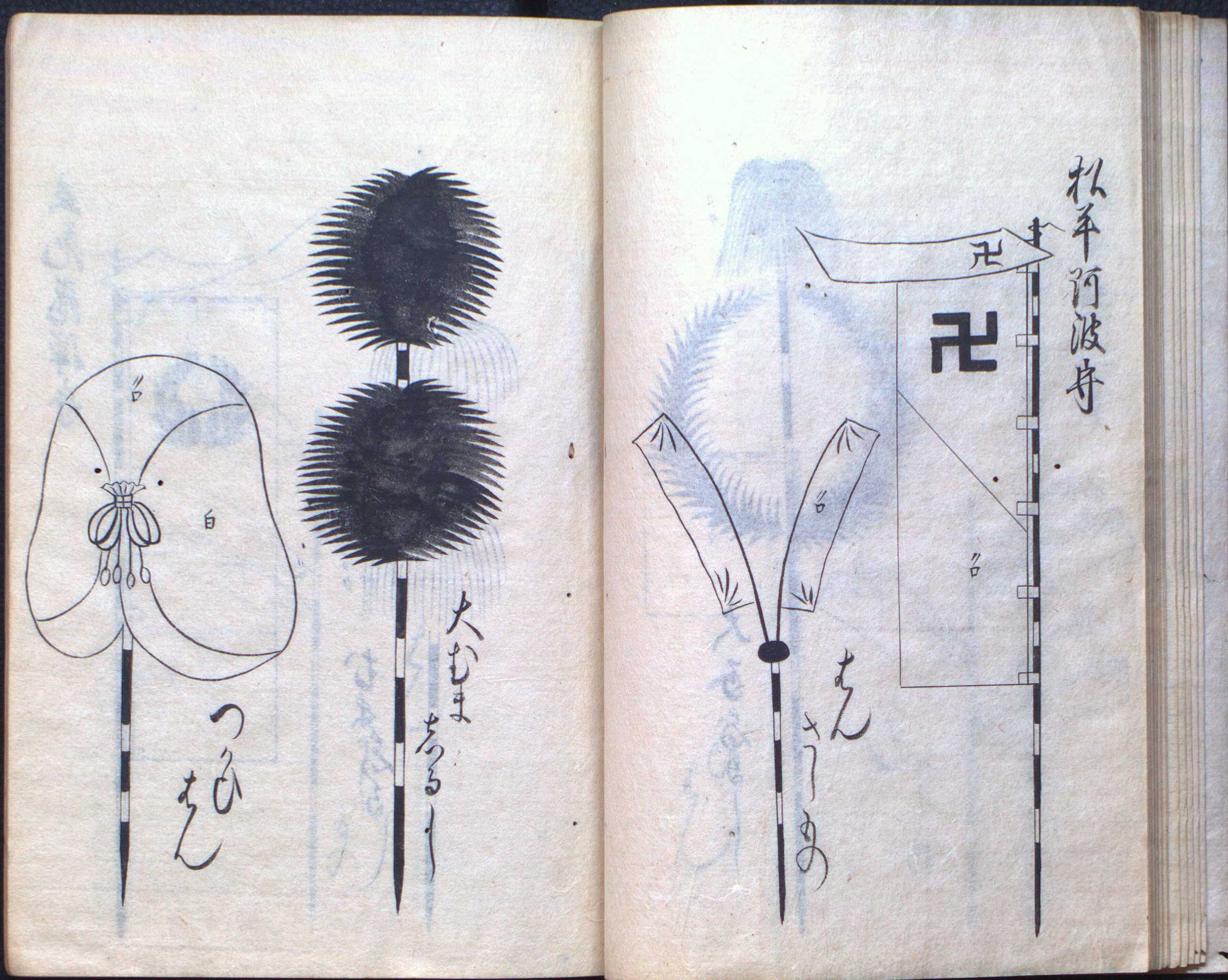
Here the swastikas are drawn in a slightly different style in the two versions. Also, the horo on the left has its side panels labeled white, not red, in the LoC version.

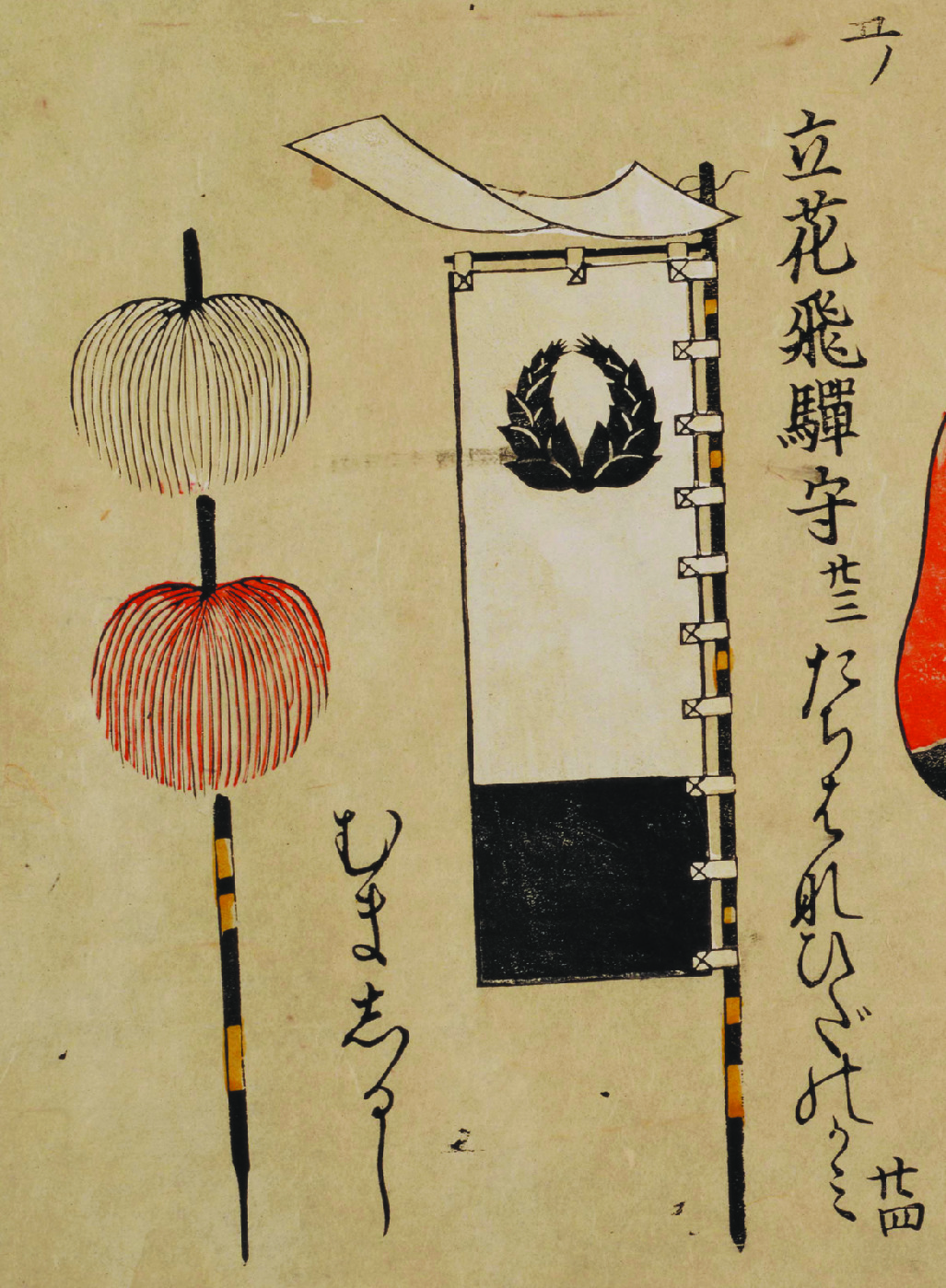
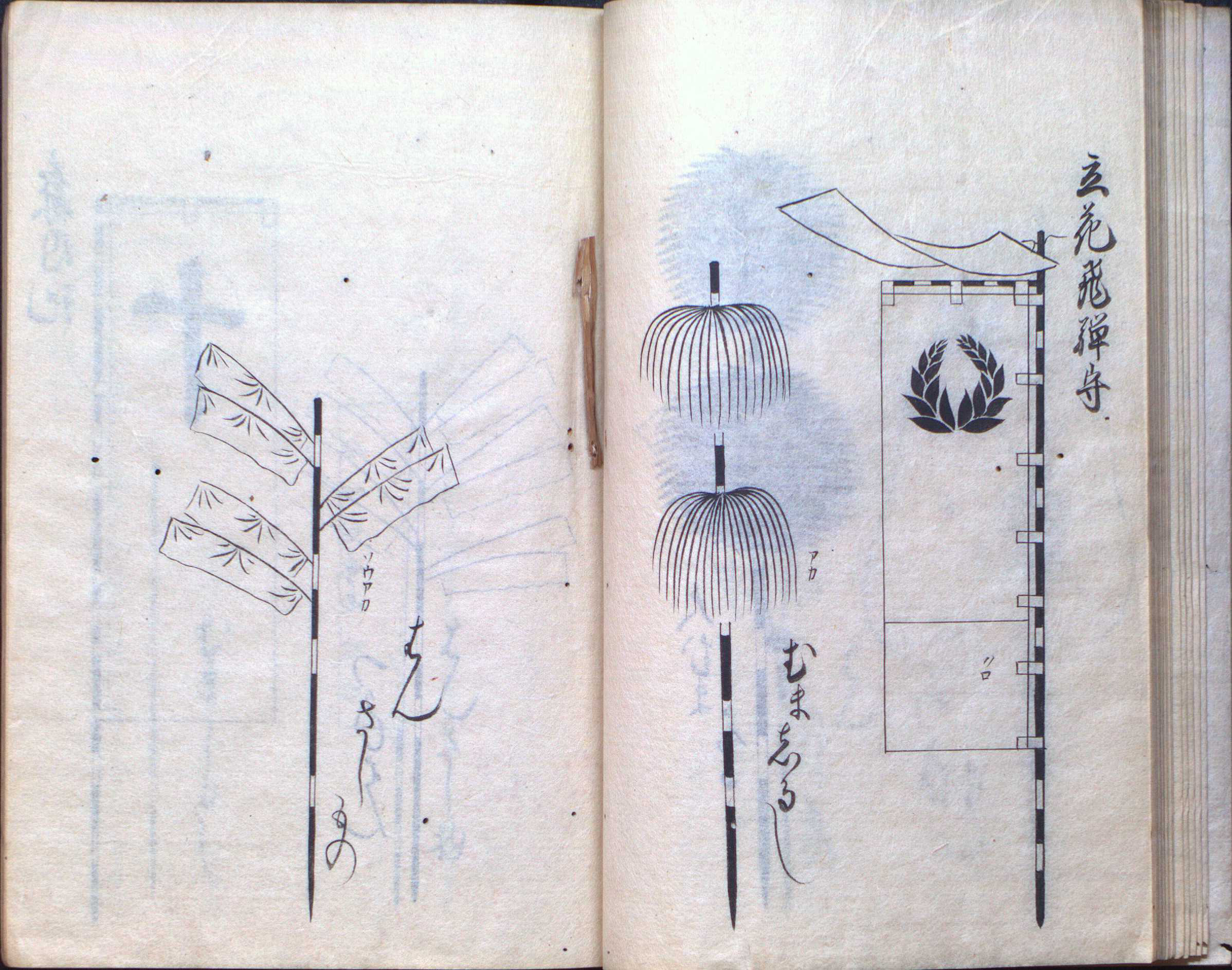
In the LoC version, the mon here is drawn a bit differently, with more distinct separation between the leaves. Note also in general that the placement of cloth strips attaching banners to poles and the detailing on poles is different between the versions, showing that these details were insignificant.
Join me next time when my picayune comparisons move on to Volume 6.
(Research for this post was conducted at the Library of Congress and was facilitated by the staff of the Asian Reading Room.)
Exciting Sources: Daibukan and Kamakura Bukan
Jul 1st (a Senshō (先勝))
The Daibukan, or Great Book of Heraldry, is a gigantic secondary source on Japanese heraldry from the 1930s. I’ve gotten to look at it before, but it wasn’t until recently that I learned that a scanned copy is available from the NDL online. The right half of page 55 (as the online version numbers things) is the end of 1591, and the left half is the start of 1655, for those interested in SCA documentation.
It itself compiles various earlier books of heraldry. One is the Kamakura Bukan, also available online, which documents the heraldry of the Kamakura Period (1185–1333). Another is the Ashikaga Bukan or Ashikagake Bukan, likewise available online, which documents the heraldry of the Ashikaga Shōgunate (1336–1573).
While perhaps not as badass as period sources, Daibukan has lots of interesting mon, and I’m happy to have easy access to it.
Resource: the Rijksmuseum
Jun 30th (a Shakkō (赤口))
I recently discovered that the Rijksmuseum, the Dutch national museum, has their collection searchable online with freely-usable images. They’ve got some cool stuff. Here are some highlights, focused on Japanese heraldry.
<img src="http://fireflies.xavid.us/wp-content/uploads/2016/06/Screen-Shot-2016-06-30-at-13.48 traitement viagra naturel.50-300×114.png” alt=”Screen Shot 2016-06-30 at 13.48.50″ width=”300″ height=”114″ class=”alignnone size-medium wp-image-594″ srcset=”http://fireflies.xavid.us/wp-content/uploads/2016/06/Screen-Shot-2016-06-30-at-13.48.50-300×114.png 300w, http://fireflies.xavid.us/wp-content/uploads/2016/06/Screen-Shot-2016-06-30-at-13.48.50-768×293.png 768w, http://fireflies.xavid.us/wp-content/uploads/2016/06/Screen-Shot-2016-06-30-at-13.48.50-1024×390.png 1024w, http://fireflies.xavid.us/wp-content/uploads/2016/06/Screen-Shot-2016-06-30-at-13.48.50.png 1506w” sizes=”(max-width: 300px) 100vw, 300px” /> 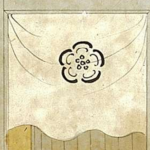
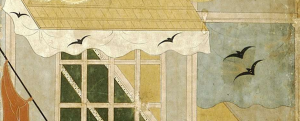
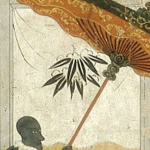
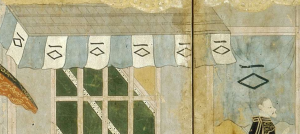
These details from “Arrival of a Portuguese ship”, c. 1600, show mon used on noren (fabric dividers). Of particular interest is the double bird mon that is reduced to a single bird on the smaller noren, showing a notable type of variation, and also the differences of background color between the large and small noren.
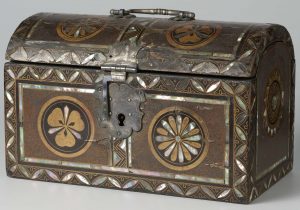
This box, from 1600-1650, shows wood sorrel and chrysanthemum mon with a “seven treasures” background pattern. The use of mother-of-pearl creates an interesting three-color effect, with two colors for the mon and one for the background.
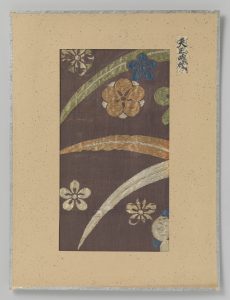
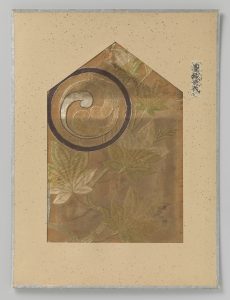
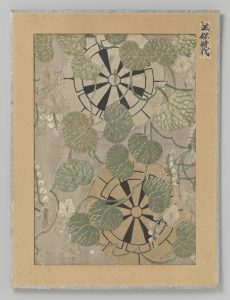
These fabric fragments, from 1573–1591, 1575–1600, and 1644–1648, respectively, show how mon designs could be used in embroidery.
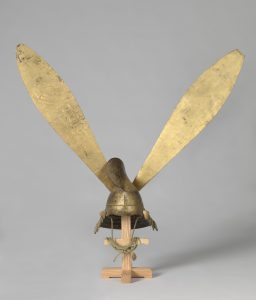
And finally, this heraldic helmet with enormous gold ears is from 1575–1600.
I’m definitely a fan of museums making their collections widely available like this, having used the online collection from the Met extensively for context in my O-umajirushi translation. Enjoy the collection!
Comparing O-umajirushi (1/?)
Jun 25th (a Senshō (先勝))
So, when I went to the Library of Congress last fall, I got to see physical copies of volumes 5 and 6 of O-umajirushi in person, which was very exciting. What was interesting, though, is that these copies had some differences from the copies from the National Diet Library which I used for my book. Notably, this version was in black and white with colors labeled in text, like the copy of Shoshō Kisei Zu I referred to. Other than that, they were largely the same, with the same contents and ordering and only minor differences to the depictions. (The LoC version also had some insect and water damage.) However, in some cases it’s interesting to compare and look at some of these differences, and I’d like to talk about some examples. I’ll start with a few from volume 5, and do more in future posts.
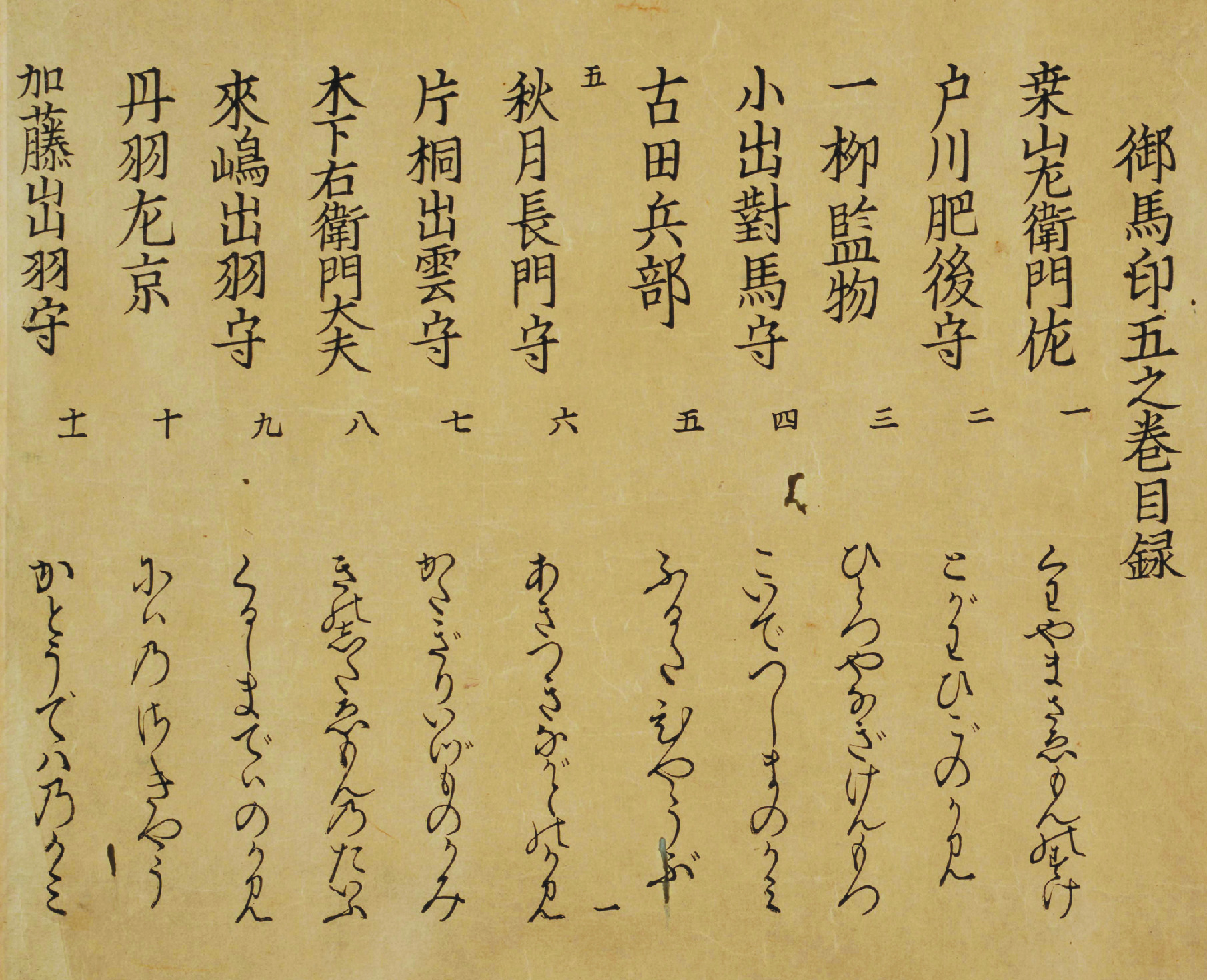

To the left is the table of contents of Volume 5 in the NDL copy, and to the right is the LoC version. The LoC version is more compact and doesn’t include entry numbering or phonetic renditions of the names.
 <img src="http://fireflies.xavid.us/wp-content/uploads/2016/06/c-c-300×240 commander du viagra en belgique.jpg” alt=”c c” height=”225″ class=”alignnone wp-image-573″ srcset=”http://fireflies.xavid.us/wp-content/uploads/2016/06/c-c-300×240.jpg 300w, http://fireflies.xavid.us/wp-content/uploads/2016/06/c-c-1024×819.jpg 1024w” sizes=”(max-width: 300px) 100vw, 300px” />
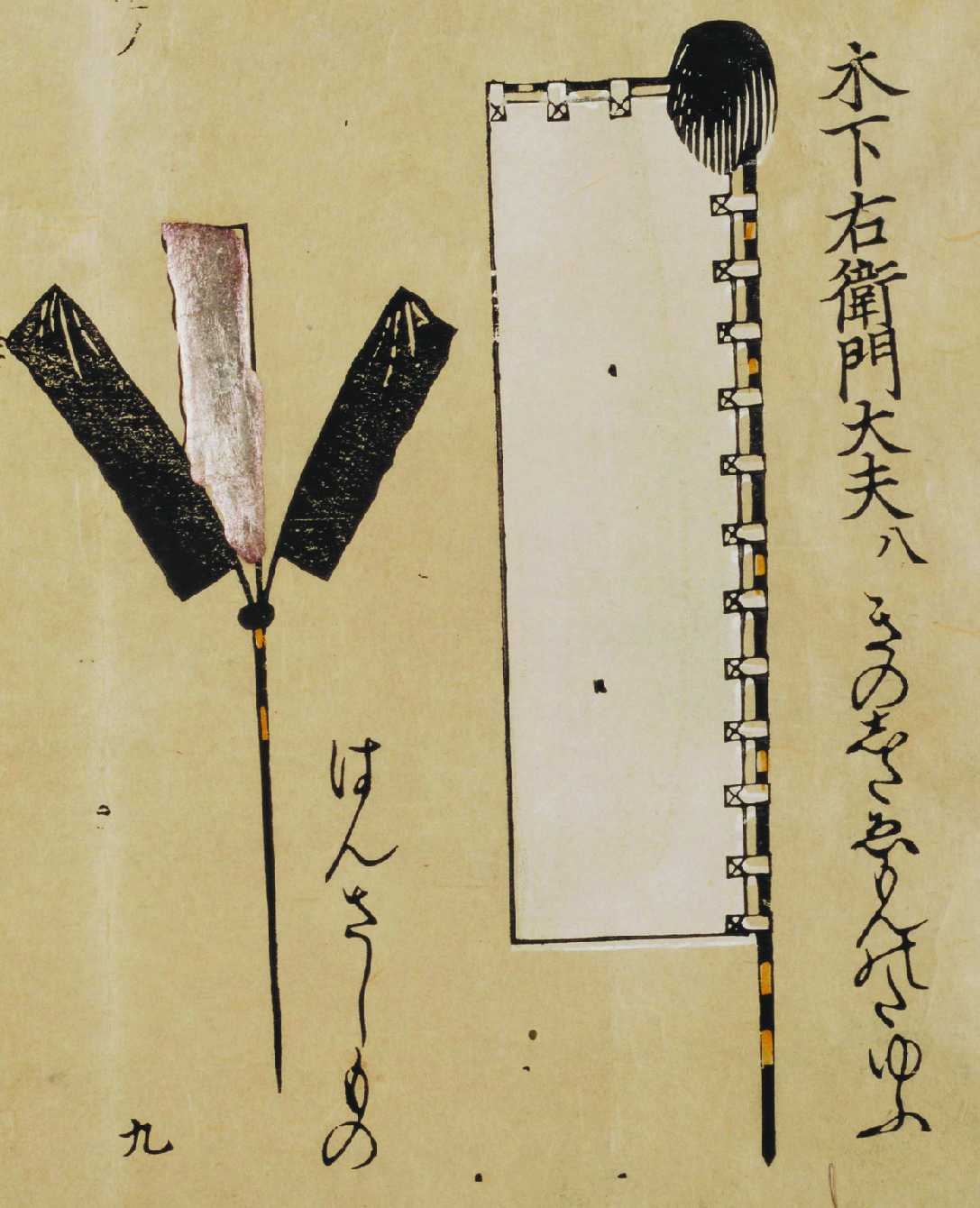
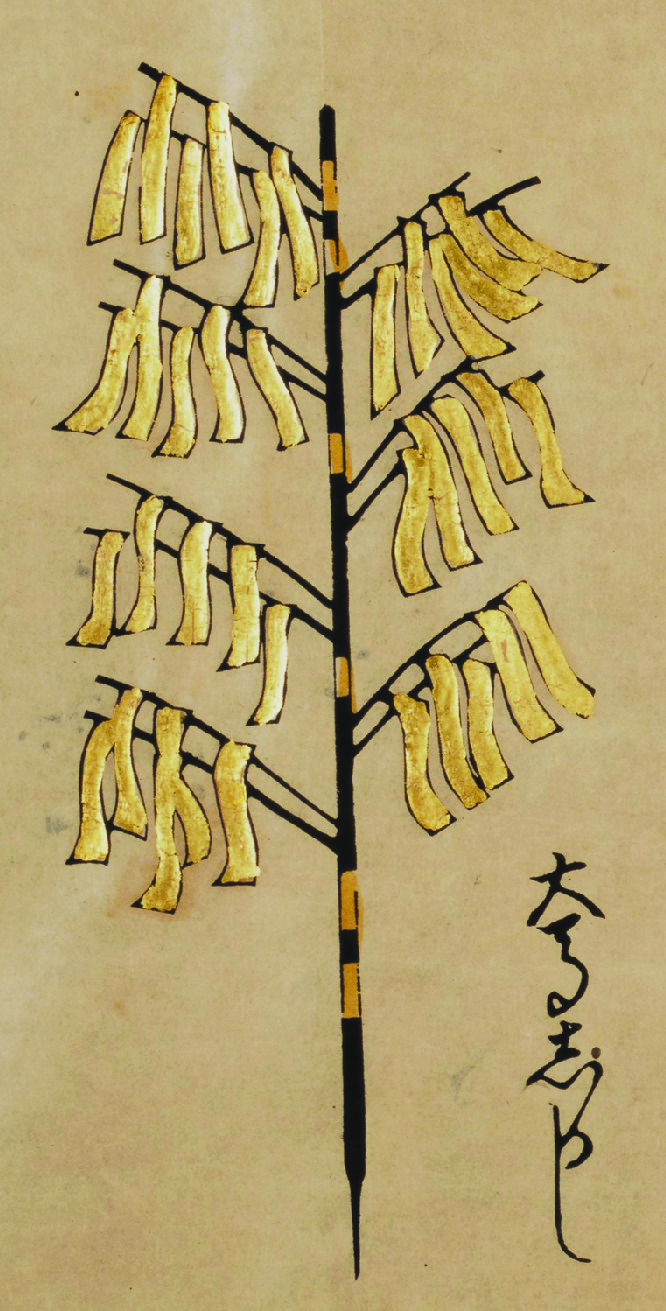
This page shows the close similarities of many of the drawings, down to such details as the position of individual paper streamers. The labels follow the style of the table of contents. Because the LoC copy is folded into a bound book instead of a scroll, the two pages shown here are each half of different “pages” in the NDL scroll version. In the LoC version, the banners on the left are labeled クロ (kuro; “black”) and ギン (gin; “silver”), and the streamers on the right are labeled ソウ金 (sō kin, “all gold”), all matching the colored version. Worm damage is visible in the lower corners.
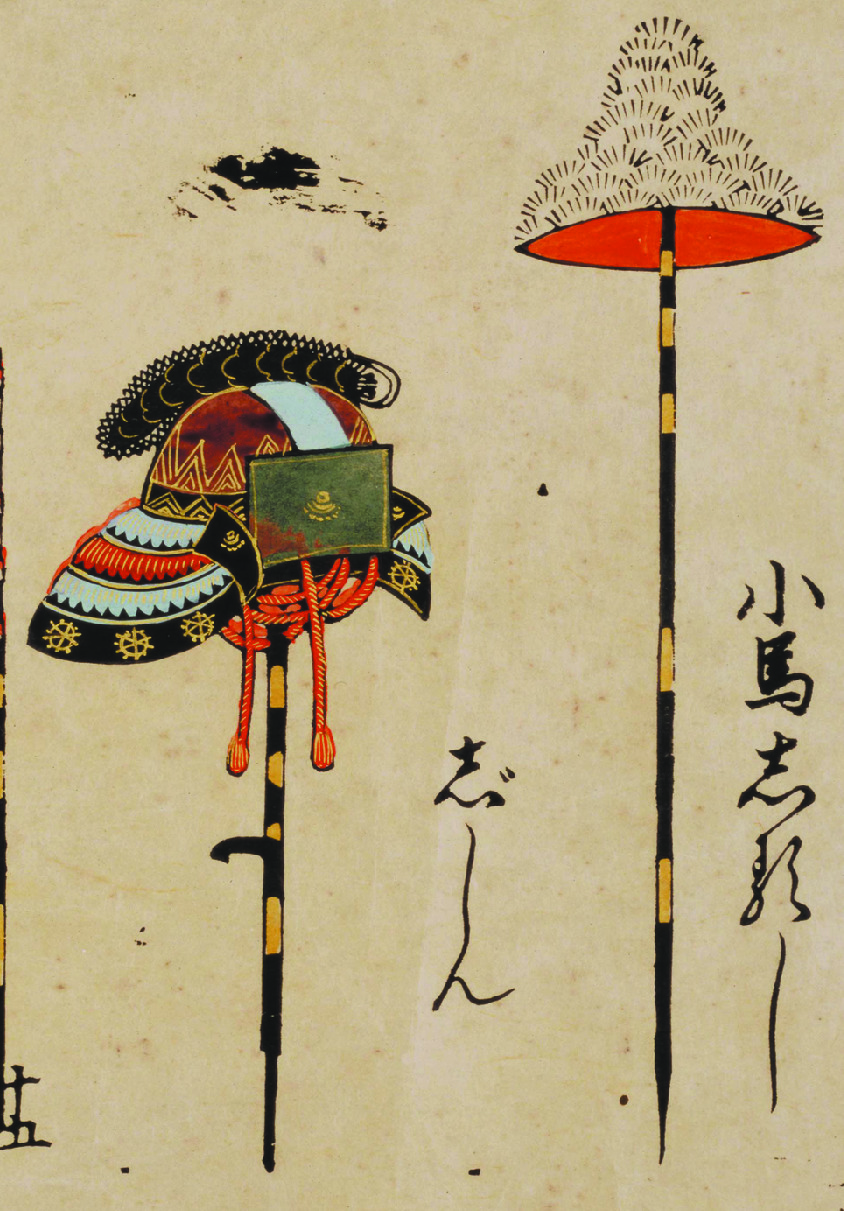
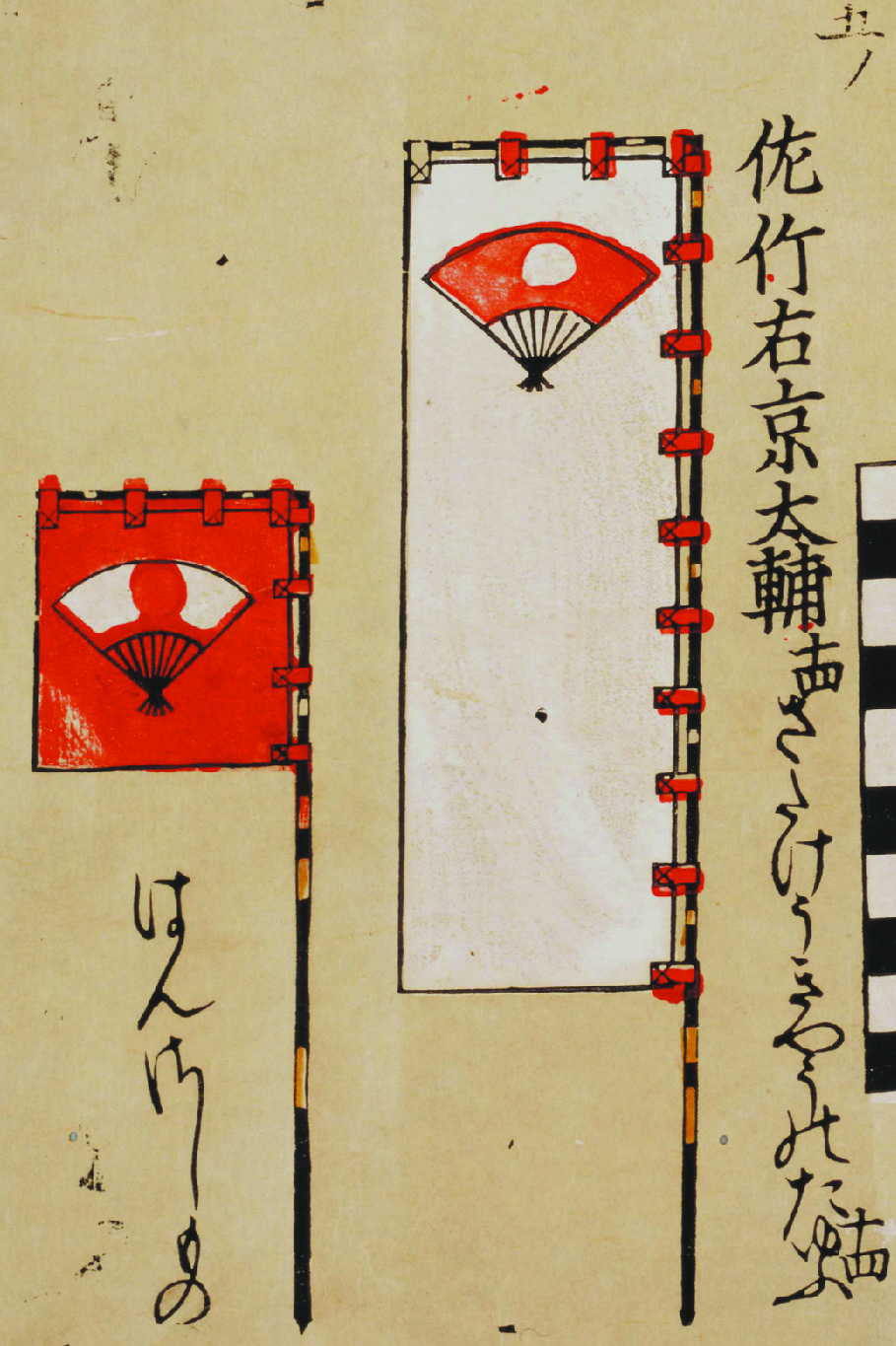

Here, while much of the color details of the helmet on the left are unspecified, the front piece is specifically labeled アヲ (ao, “green or blue”), showing that that in particular was important for identification. Like Shoshō Kisei Zu does, the LoC text specifies that the hat shape is covered in サルゲ (saruge, “monkey fur”), but for color only notes the red of the inside. For the banners with the three-color fan mon on the right 地アカ (ji aka, “ground red”) is used both to describe the red background of the left banner and of the right fan, showing that the backgrounds of banners and fans were considered similarly.
That’s all for tonight. Until next time!
(Research for this post was conducted at the Library of Congress and was facilitated by the staff of the Asian Reading Room.)
New Resource: Ohatamoto Sōshirushizu
Nov 8th (a Daian (大安))
I was recently visiting DC, and while there I decided to stop by the Library of Congress, because they had an actual copy of O-umajirushi that I could actually look at in person (quite exciting; more on that another time). While I was looking at their catalog ahead of time, I noticed it was under the subject “Banners–Japan.”, and curiously looked at what else was there. What I found was a book called Ohatamoto sōshirushizu (御簱本惣印図; “Shogunal Vassals All Emblem Drawings”) which I’d never heard of before, with a listed publication date of 1634. Not finding anything much about it online, I decided to ask to look at it as well, in case it was interesting. And in fact, it turned out to be quite cool.
In my book and my Pennsic class handout, I mention about how different divisions of an army under a commander might use different variations on the same basic design. You can see this sometimes in battle scrolls, and you can see in O-umajirushi how different devices used by an individual might be variations on a theme, but none of the period sources I’ve seen recorded this system directly. Ohatamoto sōshirushizu is rather small, only 36 pages, but what it does have is variations on a theme: for example, 20 surcoats with the same design but different small mon.
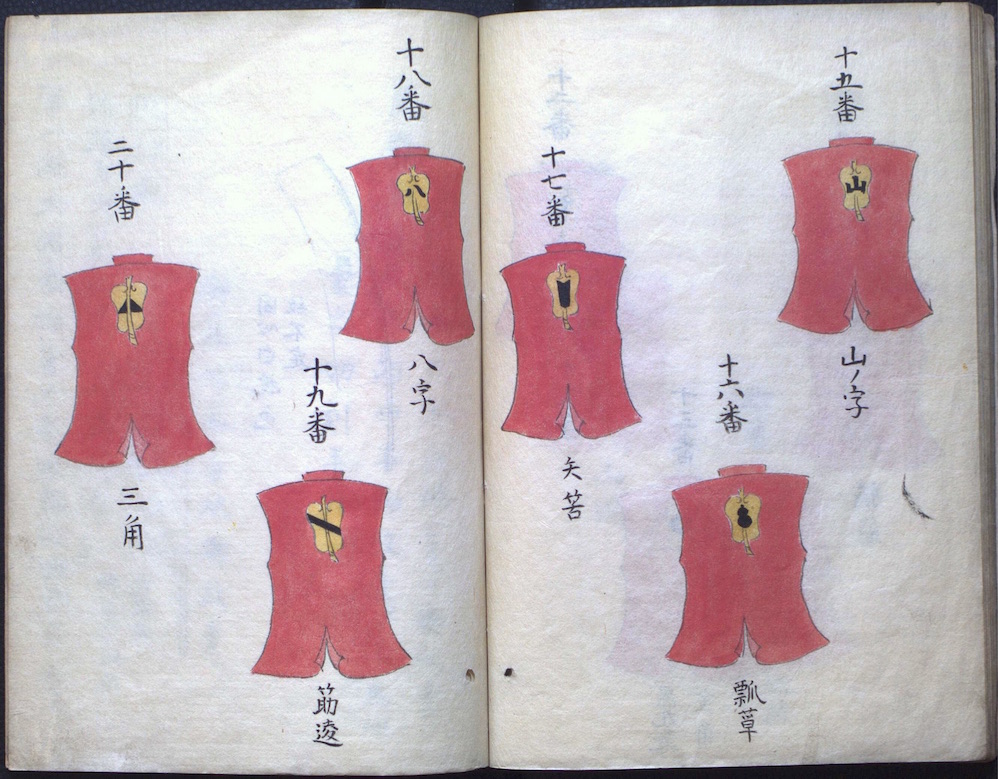
I haven’t had time to examine the text in depth, but its afterward does place it as circa 1634, and it definitely shows a different side of heraldry than other period sources I’ve found in my research. Until I’ve had time to look at it more deeply, check out my scanned copy of the book.
(Research for this post was conducted at the Library of Congress and was facilitated by the staff of the Asian Reading Room.)
Kickstarter Post Linkdump
Nov 6th (a Sembu (先負))
So, it’s been a year since my Kickstarter funded, and it’s been wrapped up for a bit. I’ve got some new stuff to talk about here, but first, for the record, I wanted to link to some of my Kickstarter posts that might be generally interesting.
- Introduction to Japanese Crests, the handout for the Japanese heraldry class I taught at Pennsic a year ago
- The Process, talking about translating and the joys of kanji, hiragana, and kuzushiji
- Oodles and Oodles of Variant Kanji, about variant kanji and GlyphWiki
- The Final Stretch!, talking about how O-umajirushi was actually called O-mumajirushi
- Status Update, about the mysterious “koshisashi oyako sannin-no”
- Update, about various biographical sources
- Sources of Excitement, about Shoshō Kisei Zu, a heraldry source from 1637
- Home Stretch!, about “Shoshō Shōki Zu Byōbu”, a heraldic compendium in folding-screen from 1632

